

Your Website Doesn’t Need To Be More Beautiful. It Needs To Work Harder.
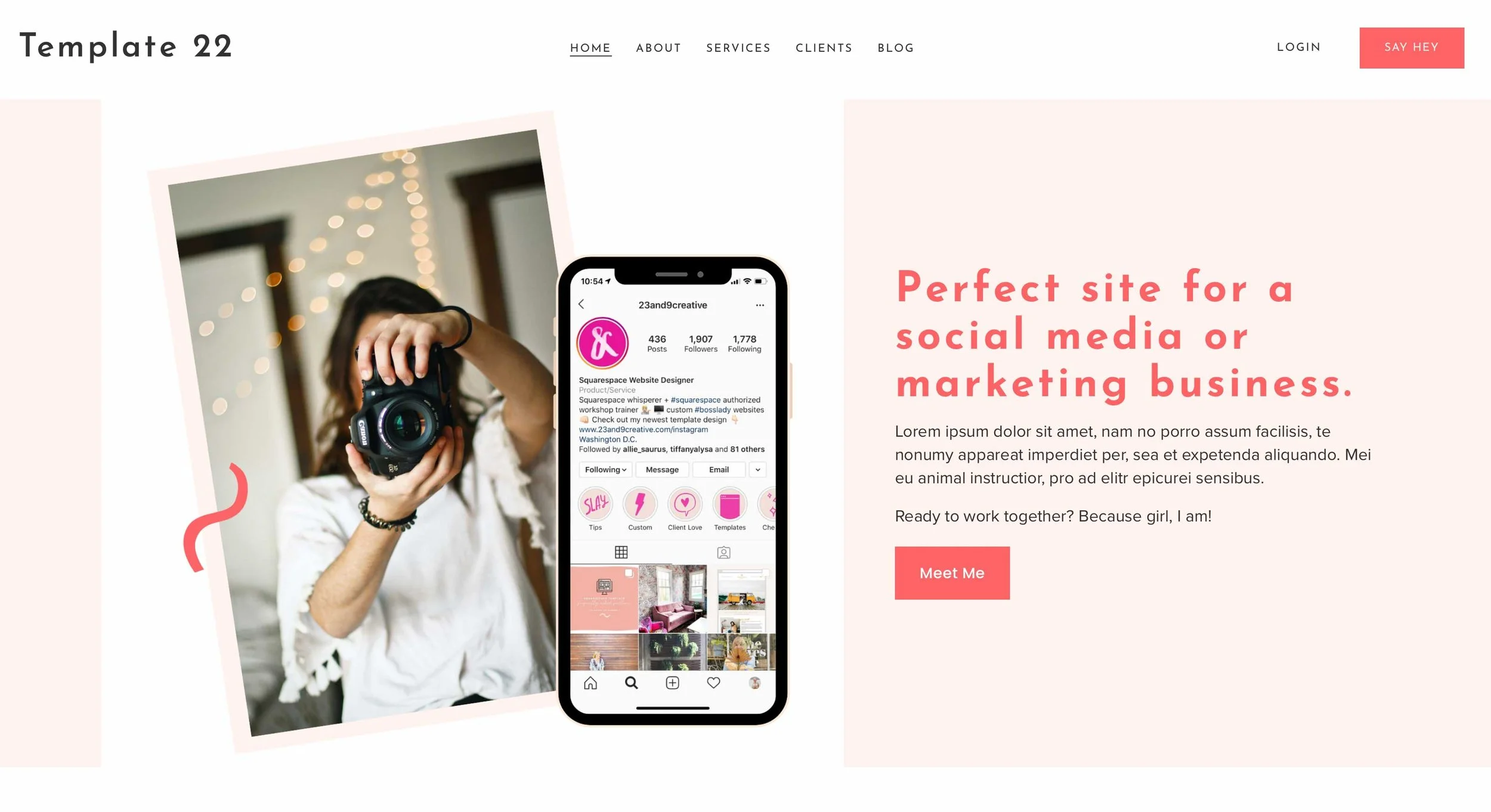
A beautiful website is a good start. But for a small business, a website that attracts the right visitors, builds trust and turns interest into enquiries is worth far more than one that simply looks impressive.
There is a familiar trap that many small-business owners fall into.
You look at your website and decide it needs an update. Perhaps the colours feel dated, the fonts aren't quite right, or you've seen a competitor with a more impressive homepage. So you start changing the design, searching for inspiration and wondering whether a complete redesign is the answer.
But here's a more important question.
Is your website actually helping you win more business?
If the answer is unclear, another design refresh might not be what you need.
Your website should be one of your hardest-working business assets. It should help potential customers find you on Google, understand what you offer, trust your business and take the next step towards buying from you.
At Square Guru, we believe that effective small-business website design is about much more than appearances. It's about creating a website with a clear purpose, strong SEO foundations and a straightforward path from visitor to customer.
Let's look at what that means in practice.
1. A beautiful website is not necessarily a successful website
Good design matters. Your website should look professional, reflect your brand and make a positive first impression.
But design alone won't guarantee enquiries or sales.
Imagine a local accountant with a stunning website. The photography is excellent, the typography is elegant and every page looks polished. Yet the homepage doesn't explain which businesses the accountant works with, the services page is vague, and the contact button is difficult to find.
Now imagine a simpler website that immediately explains who the accountant helps, what services are available, why customers should choose them and how to arrange an initial conversation.
Which website is more likely to turn a potential customer into an enquiry?
The second one has a clear commercial purpose.
This is the difference between a website that looks good and a website that works hard.
For a small business, effective website design should support four essential goals:
Visibility: Help potential customers discover your business through relevant Google searches.
Clarity: Explain what you do, who you help and what makes your service valuable.
Trust: Give visitors enough confidence to consider working with you.
Conversion: Make it easy to enquire, book, call, purchase or request a quotation.
Every page should contribute to at least one of these goals.
If a design feature looks impressive but makes information harder to find, slows the experience down or distracts visitors from taking action, it's worth reconsidering.
The objective isn't to create the prettiest website in your industry. It's to create a website that helps your business grow.
2. Your website should answer the questions customers are already asking
When someone visits your website, they're usually trying to solve a problem.
They might be looking for a reliable plumber, comparing accountants, searching for a personal trainer or deciding which marketing consultant to hire.
They want answers.
What do you offer? Is it right for them? How much might it cost? Can they trust you? What should they do next?
If your website makes those answers difficult to find, visitors may leave before you get the opportunity to help them.
Start by making your homepage immediately useful.
Within the first few seconds, a visitor should be able to understand:
What your business does.
Who your products or services are for.
What problem you help solve.
Why someone should choose you.
What action they should take next.
For example, compare these two homepage headlines.
Too vague: “Welcome to a world of possibilities.”
Much clearer: “Professional Garden Design for Homes Across Shropshire.”
The second headline identifies the service, the audience and the geographical area served. It gives prospective customers and search engines a much clearer understanding of the business.
You can still be creative with your brand. You can still have beautiful photography and distinctive visual design. But clarity should come first.
A useful rule is this: don't make visitors work to understand what you're selling.
3. SEO is about being found by the right people
A website cannot generate enquiries from people who never discover it.
That's why search engine optimisation (SEO) should be considered from the beginning of your website project, rather than added as an afterthought.
SEO helps search engines understand your pages and match them to relevant searches. For small businesses, this means building visibility for the services, products and locations that matter commercially.
For example, a website selling bookkeeping services might need to target searches related to small-business bookkeeping, self-employed tax returns or monthly accounting support.
A fitness instructor might want to be discovered by people searching for personal training, strength coaching or fitness classes in their local area.
The important point is that your website needs to target the searches your potential customers actually make, not simply repeat your business name.
Start with search intent
Search intent is the reason behind a search.
Someone searching for “what does a bookkeeper do?” is probably looking for information. Someone searching for “bookkeeper for small businesses in Shrewsbury” may be looking for a service provider.
Both searches can be valuable, but they serve different purposes.
Your website should have pages that match the different needs of your audience.
A practical small-business SEO strategy might include:
A homepage that explains your core business and primary offering.
Individual service pages targeting important services.
Location pages where you genuinely serve distinct areas and have useful information to offer.
Helpful articles that answer relevant customer questions.
Clear page titles, headings, internal links and descriptive URLs.
Accurate contact information and appropriate local business details.
Each page should have a clear purpose. Avoid creating multiple nearly identical pages simply to target small variations of the same keyword.
Don't confuse SEO foundations with guaranteed rankings
A well-structured website gives search engines a better opportunity to understand your business. However, no template, website platform or SEO setup can guarantee first-page rankings.
Search visibility also depends on factors such as competition, relevance, content quality, reputation and the specific search being performed.
Google's own guidance emphasises helpful, reliable, people-first content rather than pages created primarily to manipulate rankings.
The goal is to make your website genuinely useful to your customers while giving search engines clear signals about what each page offers.
4. Your website needs to convert visitors into enquiries
Getting traffic is only part of the job.
Once someone lands on your website, you need to make the next step obvious.
This is where conversion-focused website design becomes important.
A conversion is the action you want a visitor to take. Depending on your business, that could mean submitting an enquiry form, booking a consultation, calling your business, requesting a quote or making a purchase.
Many small-business websites make the mistake of assuming visitors will work out what to do for themselves.
They won't always.
A visitor may be interested in your service but still leave because they cannot find your prices, don't understand your process or aren't sure how to get started.
You can improve this by making a few practical changes.
Use clear calls to action
Replace vague button text such as “Click here” or “Discover more” with specific instructions.
For example:
Request a Quote
Book a Consultation
View Our Services
Shop the Collection
Arrange a Call
Place relevant calls to action where visitors naturally need them, such as after a service explanation, alongside customer testimonials and at the end of a page.
Make contacting you effortless
Your contact details shouldn't be hidden away.
Make your contact page easy to find. Keep enquiry forms straightforward and ask only for information you genuinely need at the initial stage.
For mobile visitors, consider whether your phone number is easy to use and whether forms are comfortable to complete on a small screen.
Answer objections before they become reasons to leave
Potential customers often hesitate because they have unanswered questions.
Explain your process, outline what is included, address common concerns and provide relevant evidence of your experience.
If you offer a service, explain what happens after someone enquires. If you sell products, make important information about delivery, returns and purchasing easy to locate.
The more uncertainty you remove, the easier it becomes for a visitor to make an informed decision.
5. Your website should build trust, not just look professional
Customers are being asked to make a decision about your business, sometimes before they've ever spoken to you.
Your website needs to give them good reasons to feel confident.
Professional design contributes to that confidence, but trust is built through much more than colour palettes and carefully chosen images.
Consider including:
Real information about your business. Explain who you are, what you do and how you work. A genuine About page can help visitors understand the people behind the service.
Clear service descriptions. Explain exactly what customers receive, who each service suits and how it addresses their needs.
Testimonials and reviews. Where available, use genuine customer feedback that reflects real experiences. Never invent testimonials or imply results you cannot substantiate.
Examples of your work. Portfolios, case studies, project photographs and specific examples can help demonstrate your capabilities.
Transparent pricing or next steps. If you can publish prices, packages or starting rates, consider doing so. If every project requires a bespoke quote, explain how customers can obtain one.
Consistent, accurate details. Your business name, contact information, service areas and important policies should be easy to verify.
For service-based businesses, these details can make a meaningful difference to whether someone decides to get in touch.
Your website should not merely tell people that your business is trustworthy. It should give them reasons to believe it.
6. A mobile-friendly website is essential
Your customers may discover your business while travelling, taking a lunch break or searching for a local service from their sofa.
That means your website needs to work well on a mobile phone, not just on a desktop computer.
A mobile-friendly website should have readable text, clear navigation, appropriately sized buttons, accessible forms and images that display properly across different screen sizes.
It should also load efficiently and avoid unnecessary distractions.
Think about the experience from the customer's perspective.
Can someone find your main service without scrolling through several screens of decoration? Can they tap your contact button easily? Can they read your prices without zooming in? Can they complete your enquiry form without frustration?
A mobile-ready template is a useful starting point, but the finished website still needs to be checked with your actual content, images and functionality in place.
A website that looks excellent on a laptop but is awkward to use on a phone is creating unnecessary barriers between your business and a potential customer.
7. AI search makes clear website content even more important
The way people discover businesses online continues to evolve.
Alongside traditional search results, people increasingly use AI-powered tools to ask questions, compare options and find recommendations.
This creates an important opportunity for small businesses: make your expertise and services easy to understand.
There is no special wording trick that guarantees an AI tool will recommend your business. Instead, focus on building a website with clear, useful and accurate information that can be understood by both people and search systems.
Write pages that answer specific questions
Consider the questions customers ask before buying.
A local electrician might answer:
What electrical services do you provide?
Which areas do you cover?
Do you work with domestic and commercial customers?
How can I request an estimate?
What should I consider before booking an electrician?
A web designer might explain the difference between a website template and a bespoke website, what a small-business website should include, or which ongoing costs a business owner should expect.
These are not simply keyword opportunities. They are real customer questions that deserve helpful answers.
Use descriptive headings and straightforward language
Organise each page around a clear subject.
Use a descriptive main heading, logical subheadings and concise explanations. Define technical terms when necessary, and include practical examples that help readers make decisions.
For example, instead of writing “We provide innovative digital solutions”, explain which services you provide, which customers you help and what those services are designed to achieve.
Specific information is more useful than generic marketing language.
Demonstrate genuine experience
If you've completed projects, solved customer problems or developed specialist knowledge, explain that experience accurately.
Original case studies, examples of your work, genuine reviews and useful insights can help distinguish your business from competitors publishing the same generic advice.
Keep important business information consistent and accurate, and make your pages accessible to search engines.
The best approach to AI search is not to write for a machine at the expense of your customers. It's to create a website that communicates your expertise clearly, answers genuine questions and deserves to be found.
These practices align with Google's published guidance on helpful content and SEO fundamentals.
8. Measure what your website actually achieves
One of the biggest mistakes small-business owners make is judging their website by how it looks rather than what it accomplishes.
A redesign may feel like progress, but how will you know whether it has improved your business?
Start by identifying a small number of meaningful measures.
What to measureWhat it helps you understandOrganic search impressionsWhether your pages are appearing in search resultsOrganic search clicksWhether people are choosing your pages from those resultsRelevant website visitsWhether you are attracting the right audienceEnquiry form submissionsWhether visitors are expressing interestPhone calls and bookingsWhether your website is generating useful actionsSales or qualified leadsWhether those actions contribute to business results
Tools such as Google Search Console can help you understand search impressions, clicks and queries. Website analytics and enquiry tracking can help you assess what happens after people arrive.
Look for patterns rather than expecting every change to produce an immediate result.
If a page receives impressions but few clicks, its title and description may need reviewing. If it attracts visitors but generates few enquiries, the content, offer, trust signals or call to action may need attention.
If people regularly visit a service page but leave without contacting you, investigate whether the page answers their questions and makes the next step clear.
These are opportunities to improve the website based on evidence, rather than repeatedly changing the design based on personal preference.
9. You don't always need an expensive website redesign
If your current website isn't performing as well as you'd like, it can be tempting to start again.
Sometimes a redesign is the right decision. Your existing website may be outdated, difficult to maintain, poorly structured or no longer suitable for your business.
But in other cases, you may be able to make meaningful improvements without rebuilding everything.
Start with a simple website audit.
Ask yourself:
Is it immediately clear what my business offers?
Does each important service have a useful, dedicated page?
Can potential customers find my contact details quickly?
Does the website work properly on mobile devices?
Are my page titles, headings and descriptions relevant?
Do my pages answer the questions customers ask before buying?
Are there genuine reasons for visitors to trust my business?
Can I measure enquiries and other important actions?
Are there broken links, slow pages or confusing navigation?
You may discover that the biggest opportunities are clearer service descriptions, stronger calls to action, better SEO, improved mobile usability or more useful content.
The point is to identify the problem before spending money on the solution.
If you do need a new website, choose an approach that balances professional design, usability, SEO foundations and the practical realities of running a small business.
A good website should support your business without becoming an expensive project that never quite gets finished.
10. How Square Guru helps small businesses build websites that work harder
At Square Guru, we specialise in Squarespace website templates and SEO support for small businesses.
We understand that many business owners need a professional online presence but don't necessarily need the cost, complexity or timescale of a completely bespoke website.
Our ready-to-customise Squarespace 7.1 designs provide a practical starting point. They are complete website designs rather than static mock-ups, and are intended to help business owners get online with a professional, mobile-ready website.
Our approach combines design with the foundations a useful business website needs, including clear page structures and SEO considerations.
You can explore templates for different types of businesses, including professional services, health and wellness, creative businesses, food and hospitality.
If you want more help, Square Guru also offers support with customising your website, adding your content, connecting your domain and preparing your site for launch.
For businesses that already have a Squarespace website, specialist SEO support can help identify issues affecting search visibility and develop a practical plan for improvement.
The aim is straightforward: help small-business owners spend less time struggling with their website and more time running their business.
Explore the available options at Square Guru.
Final thoughts: stop asking whether your website looks good enough
Your website should represent your business professionally. But once the design is good enough to establish credibility, the more important question is what it does for you.
Does it help the right people find your business?
Does it explain your services clearly?
Does it build confidence?
Does it make enquiries and purchases straightforward?
Does it give customers useful answers and provide search engines with a clear understanding of your business?
And can you tell whether it's contributing to your commercial goals?
If you're unsure, don't immediately start choosing new fonts, colours or animations.
Start by looking at the website through your customer's eyes. Identify where people might get confused, what information is missing and which barriers might stop them from getting in touch.
Then make improvements based on what your business and customers actually need.
Because your website doesn't need to win a design award to be valuable.
It needs to attract attention for the right reasons, build trust and turn that attention into business.
That's what it means to have a website that works harder.
Ready to build a website that does more for your business?
Explore the Squarespace website templates and SEO services at www.squareguru.space and find a practical way to move your business forward.
Frequently asked questions
What makes a small-business website successful?
A successful small-business website helps the right customers discover the business, understand its products or services, trust its expertise and take a meaningful next step. Good design, relevant content, SEO, mobile usability and clear calls to action all contribute to that goal.
Does a beautiful website help SEO?
Professional design can support a positive user experience, but visual appeal alone does not guarantee better rankings. SEO also involves relevant content, clear page structure, crawlability, useful internal links and other technical and quality considerations.
How can I make my small-business website generate more enquiries?
Explain your services clearly, show why customers should choose you, answer common questions, provide genuine trust signals and make contacting you easy. Track enquiries and test improvements to understand which changes help.
How can I optimise my website for AI search?
Publish accurate, useful content that answers real customer questions. Use descriptive headings, explain your services clearly, demonstrate relevant experience, maintain accurate business information and ensure your pages can be discovered by search engines. No technique guarantees inclusion in AI-generated answers.
Do I need a new website to improve my SEO?
Not necessarily. You may be able to improve your existing website through better content, keyword targeting, internal linking, technical fixes and clearer calls to action. A redesign is worth considering when the underlying structure, functionality or user experience prevents effective improvements.
Are Squarespace websites good for small businesses?
Squarespace can be a practical option for small businesses that want a professionally designed website with manageable day-to-day editing. However, results depend on how well the finished website is structured, populated with useful content, optimised and maintained.
How much should a small business spend on a website?
The right budget depends on your requirements, the complexity of your services, the functionality you need and how much work you can do yourself. A ready-made website template can reduce initial design costs, while professional.